মোটরসাইকেলের টায়ারের জন্য সর্বোত্তম পোর্টেবল এয়ার কম্প্রেসার হল একটি কমপ্যাক্ট 12 V পাম্প যা প্রায় দুই থেকে তিন মিনিটের মধ্যে 36 psi (2.5 বার) পৌঁছায়, একটি সঠিক চাপ মাপক আছে এবং অতিরিক্ত গরম না করেই ক্রমাগত কয়েকটি স্ফীতি চক্রের মধ্য দিয়ে চলতে পারে। এই সংমিশ্রণটি উচ্চ সর্বোচ্চ চাপের চেয়ে বেশি গুরুত্বপূর্ণ, কারণ একটি মোটরসাইকেলের টায়ারে অল্প পরিমাণে বাতাস থাকে এবং আসল চ্যালেঞ্জ হল নির্ভুলতা, কাঁচা আউটপুট নয়।
একবার আপনি এটি বুঝতে পারলে, কেনার সিদ্ধান্ত সহজ হয়ে যায়। গেজের নির্ভুলতা, ব্যবহারযোগ্য প্রবাহ, শুল্ক চক্র, তারের দৈর্ঘ্য এবং আকার নির্ধারণ করে যে একটি কম্প্রেসার আপনাকে রাস্তায় সাহায্য করে নাকি স্যাডলব্যাগে মৃত ওজন হয়ে যায়।
একটি মোটরসাইকেল টায়ার কম্প্রেসার সত্যিই কি করতে হবে
একটি মোটরসাইকেলের টায়ার কম্প্রেসারের সর্বোচ্চ প্রবাহের চেয়ে সঠিক চাপ সরবরাহ এবং কমপ্যাক্ট আকারের বেশি প্রয়োজন। সাধারণ রাস্তার মোটরসাইকেলগুলি মডেল এবং লোডের উপর নির্ভর করে 32 থেকে 42 psi (2.2 থেকে 2.9 বার) চালায়, অ্যাডভেঞ্চার বাইকগুলি প্রায়শই অফ-রোড কাজের জন্য 25 থেকে 30 psi-এ নেমে যায় এবং হালকা ওজনের ময়লা বাইকগুলি 20 psi-এর নিচে চলতে পারে। এগুলি পরিমিত চাপ, এবং টায়ারের ভলিউম ছোট, তাই প্রায় কোনও 12 V পাম্প অবশেষে লক্ষ্যে পৌঁছাতে পারে।
সীমাবদ্ধ কারণগুলি ভিন্ন। মোটরসাইকেল প্রকৃতপক্ষে যে চাপ ব্যবহার করে তাতে গেজ অবশ্যই বিশ্বস্ত হতে হবে, কম্প্রেসারকে অবশ্যই বেশ কয়েকটি ছোট চক্রের মাধ্যমে কাজ চালিয়ে যেতে হবে এবং পাম্প হেডকে অবশ্যই মোটরসাইকেলের ভালভ স্টেমের সাথে কোনো ক্ষতি না করেই ফিট করতে হবে। একটি ইউনিট যা বাক্সে শক্তিশালী দেখায় কিন্তু এই পয়েন্টগুলির যেকোনো একটিতে ব্যর্থ হয় তা আপনাকে একটি সহজ পাম্পের চেয়ে বেশি হতাশ করবে যা শান্তভাবে তার কাজ করে।
কেনার আগে তুলনা করার জন্য মূল স্পেসিফিকেশন
চারটি স্পেসিফিকেশন নির্ধারণ করে যে একটি পোর্টেবল কম্প্রেসার একটি মোটরসাইকেলে কতটা ভালো কাজ করে: গেজের ধরন, সিলিন্ডারের আকার, শক্তির উৎস এবং শারীরিক মাত্রা। নীচের সারণীটি দেখায় যে কীভাবে একজন প্রতিনিধি প্রস্তুতকারকের রেঞ্জ এই পয়েন্টগুলি জুড়ে লাইন আপ করে।
| মডেল | মূল বৈশিষ্ট্য | শক্তির উৎস | সাধারণ মোটরসাইকেল ব্যবহার |
|---|---|---|---|
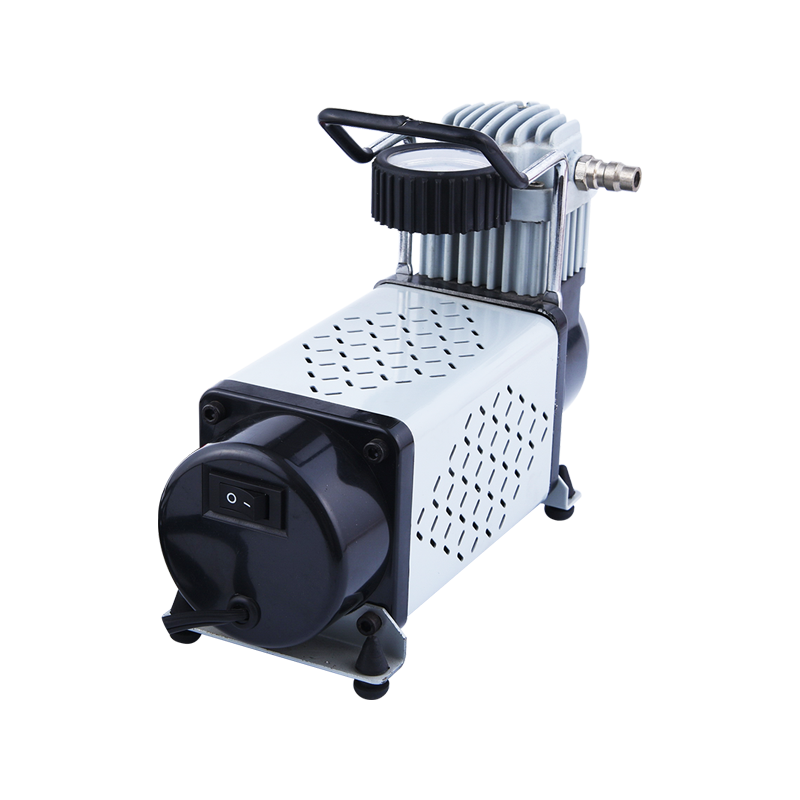
| HC651B | অ্যানালগ চাপ পরিমাপক | 12 V DC | যাত্রী যারা একটি সহজ, নির্ভরযোগ্য ডায়াল চান |
| HC6593 | ডিজিটাল চাপ পরিমাপক | 12 V DC | রাইডার যারা সুনির্দিষ্ট চাপ সেট করে এবং রাতে রাইড করে |
| HC668 | 30 মিমি বড় সিলিন্ডার বোর | 12 V DC | ট্যুরিং রাইডার যারা দ্রুত একাধিক টায়ার পূরণ করে |
| HC626 | বহুমুখী স্ফীতিকারী | 12 V DC | গাড়ি, সাইকেল এবং খেলাধুলার সরঞ্জাম সহ পরিবার |
একটি ডিজিটাল গেজ আপনাকে একটি অন্ধকার ট্রেইলে একটি ডায়ালে squinting থেকে বাঁচায়, যখন একটি এনালগ গেজে ব্যর্থ হওয়ার জন্য কম ইলেকট্রনিক্স থাকে৷ সিলিন্ডার বোর নির্ধারণ করে যে প্রতিটি স্ট্রোক কতটা বাতাস চলাচল করে; একটি 30 মিমি বোর একটি টায়ারকে লক্ষণীয়ভাবে দ্রুত পূরণ করে, সামান্য বড় আকার এবং ওজনের খরচে।
অ্যানালগ বা ডিজিটাল গেজ: কোনটি আপনার রাইডিংয়ে মানায়?
একটি ডিজিটাল গেজ চয়ন করুন যদি আপনি প্রায়ই চাপ সেট করেন বা রাতে রাইড করেন; আপনি যদি সর্বাধিক সরলতা চান এবং অন্য ইলেকট্রনিক উপাদানের সাথে মোকাবিলা করতে না চান তবে একটি এনালগ গেজ চয়ন করুন। অধিকাংশ রাস্তার চালকদের জন্য, যেমন একটি মডেল একটি ডিজিটাল চাপ গেজ সহ পোর্টেবল এয়ার কম্প্রেসার একটি সম্পূর্ণ লোড করা স্পোর্ট ট্যুরারে 36 পিএসআই সেট করার অনুমান কাজ করে।
 ডিজিটাল প্রেসার গেজ সরবরাহকারীর সাথে পাইকারি HC659-3 পোর্টেবল গাড়ির এয়ার পাম্প নিংবো কেদে ইলেকট্রিক টেকনোলজি ডেভেলপমেন্ট কোং, লিমিটেড হল চায়না OEM/ODM HC659-3 পোর্টেবল ভেহিকেল এয়ার পাম্প যার সাথে ডিজিটাল প্রেসার গেজ সাপ্লাই... পণ্য দেখুন →
 আপনি যদি এমন একটি ডায়াল পছন্দ করেন যা দিনের আলোতে পড়া সহজ এবং বিভ্রান্ত করা কঠিন, একটি চাপ গেজ সঙ্গে বহনযোগ্য বায়ু সংকোচকারী আরো সহজবোধ্য টুল. শুধু মনে রাখবেন সস্তা অ্যানালগ গেজ 2 থেকে 3 psi বন্ধ হতে পারে, তাই মাঝে মাঝে পরিচিত-ভাল গেজের বিপরীতে রিডিং পরীক্ষা করুন। ভুল পছন্দ সবসময় একই: একটি গেজ আপনি সঠিকভাবে পড়তে পারবেন না যখন আপনি এটি প্রয়োজন.
 পাইকারি HC651B পোর্টেবল গাড়ির এয়ার পাম্প প্রেসার গেজ সরবরাহকারী, ফ্যাক্টর সহ নিংবো কেদে ইলেকট্রিক টেকনোলজি ডেভেলপমেন্ট কোং, লিমিটেড হল চায়না ই এম/ওডিএম HC651B পোর্টেবল ভেহিকেল এয়ার পাম্প প্রেসার গেজ সরবরাহকারী এবং... পণ্য দেখুন →
 ফ্লো রেট এবং সিলিন্ডার ব্যাস: টায়ারের ভলিউমের সাথে আউটপুট মেলে
মোটরসাইকেলের টায়ারের জন্য মাঝারি প্রবাহ যথেষ্ট, এবং একটি বড় সিলিন্ডার শুধুমাত্র তখনই পরিশোধ করে যখন আপনি অনেক টায়ার পূরণ করেন বা প্রায়ই চাপ সামঞ্জস্য করেন। একটি গাড়ির টায়ারে প্রচুর পরিমাণে বাতাসের প্রয়োজন হয়, তাই গাড়ি-ভিত্তিক ইনফ্লেটরগুলি উচ্চ স্থানচ্যুতির জন্য তৈরি করা হয়। একটি মোটরসাইকেলের টায়ার একটি পরিমিত ইউনিটের সাথেও এক থেকে তিন মিনিটের মধ্যে তার লক্ষ্যে পৌঁছায়, কারণ টায়ারটি খুব বেশি বাতাস ধরে না।
একটি বড় বোরের ব্যবহারিক সুবিধা হল সময় এবং ধারাবাহিকতা। দ 30 মিমি বড় সিলিন্ডার গাড়ির এয়ার পাম্প প্রতি স্ট্রোকে বেশি বাতাস চলাচল করে, যা মুদ্রাস্ফীতি চক্রকে ছোট করে এবং আপনি যখন পরপর কয়েকটি টায়ার টপিং করেন তখন মোটরকে ঠান্ডা রাখতে সাহায্য করে। এটি গ্রুপ ট্রিপে সবচেয়ে বেশি গুরুত্বপূর্ণ, যেখানে আপনি সপ্তাহান্তে ছয় বা তার বেশি টায়ার পূরণ করতে পারেন, বা অ্যাডভেঞ্চার রাইডগুলিতে যেখানে আপনি দিনে কয়েকবার চাপ ফেলেন এবং পুনরুদ্ধার করেন। আপনি নির্বাচন করার আগে ইঞ্জিনিয়ারিং ব্যাকগ্রাউন্ড চান, এটা কিভাবে একটি পড়া মূল্যবান উচ্চ-দক্ষতা পাম্প নকশা মুদ্রাস্ফীতির গতি প্রভাবিত করে .
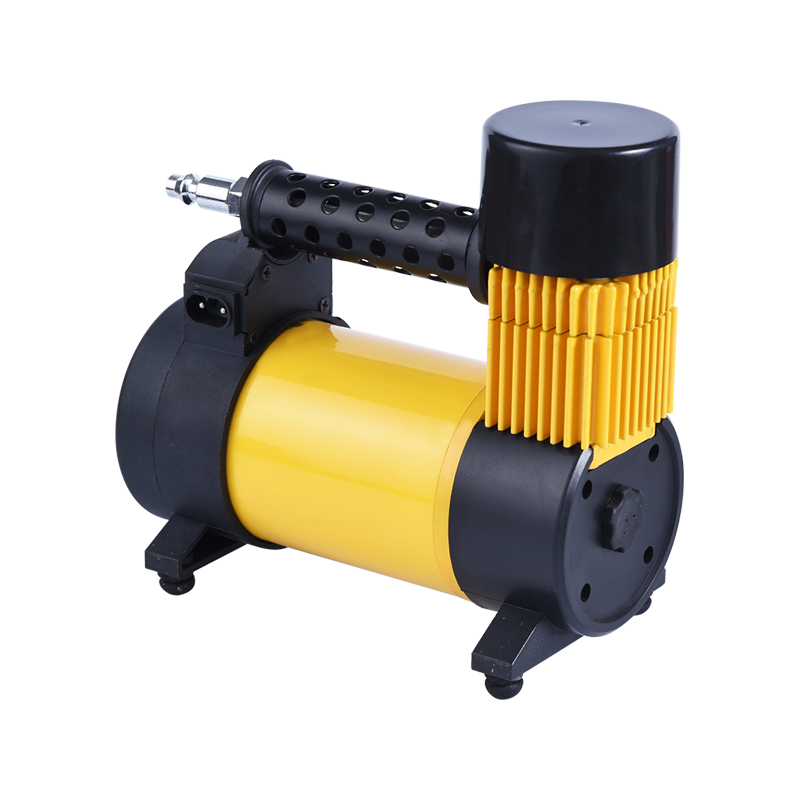 পাইকারি HC668 30mm বড় সিলিন্ডার ব্যাসের যানবাহন এয়ার পাম্প সরবরাহকারী, কারখানা নিংবো কেদে ইলেকট্রিক টেকনোলজি ডেভেলপমেন্ট কোং, লিমিটেড হল চায়না ই এম/ওডিএম HC668 30 মিমি বড় সিলিন্ডার ব্যাসের যানবাহন এয়ার পাম্প সরবরাহকারী এবং H... পণ্য দেখুন →
 পাওয়ার সোর্স এবং কেবল ডিজাইন
একটি 12 V আনুষঙ্গিক সকেট হল সবচেয়ে ব্যবহারিক শক্তির উৎস, যদি তারের পিছনের টায়ারে পৌঁছানোর জন্য যথেষ্ট দীর্ঘ হয়। বেশিরভাগ ট্যুরিং, অ্যাডভেঞ্চার এবং ডুয়াল-স্পোর্ট মোটরসাইকেলে এই ধরনের একটি সকেট থাকে এবং এটি ব্যবহার করে একটি পৃথক ব্যাটারি প্যাক বহন করার প্রয়োজনীয়তা দূর হয়। তারের বিস্তারিত যা অনুশীলনে সবচেয়ে গুরুত্বপূর্ণ।
3 মিটারের চেয়ে ছোট একটি ক্যাবল আপনাকে সিট বা মাটিতে পাম্পের ভারসাম্য বজায় রাখতে বাধ্য করবে যখন টায়ারটি বাইকের বিপরীত দিকে থাকবে, যা পিছনের ফ্ল্যাটের সাথে বিশ্রী। স্ট্রেচিং ছাড়াই উভয় টায়ারে পৌঁছানোর জন্য যথেষ্ট লম্বা একটি কর্ড এবং সকেটে দৃঢ়ভাবে সিট থাকা একটি প্লাগ সন্ধান করুন, কারণ মোটরসাইকেলের সকেটগুলি কখনও কখনও সিটের নীচে আটকে থাকে বা আটকে থাকে। ব্যাটারি-ক্ল্যাম্প মডেলগুলি দীর্ঘ অভিযানের জন্য ব্যাকআপ হিসাবে ভাল কাজ করে তবে ওজন বাড়ায় এবং সংরক্ষণ করা আরও কঠিন। রিচার্জেবল ইনফ্লেটরগুলি দ্রুত চেকের জন্য সুবিধাজনক কিন্তু আপনার রুটিনে চার্জিং শৃঙ্খলা যোগ করুন। বেশিরভাগ রোড রাইডারদের জন্য, একটি সোজা 12 V ইউনিট সবচেয়ে নির্ভরযোগ্য বিকল্প।
ডিউটি চক্র, তাপ, এবং বাস্তব-বিশ্ব নির্ভরযোগ্যতা
কমপক্ষে 10 মিনিটের একটি স্পষ্টভাবে বর্ণিত ডিউটি চক্র এবং অন্তর্নির্মিত তাপ সুরক্ষা সহ একটি কম্প্রেসার চয়ন করুন। একটি সাধারণ ছোট 12 V পাম্প প্রায় 10 মিনিট একটানা চলার জন্য রেট করা হয়। এটি সাধারণত মোটরসাইকেলের টায়ারের জন্য যথেষ্ট, তবে কেবলমাত্র যদি আপনি একটি সম্পূর্ণ ফ্ল্যাট থেকে স্ফীত হন বা একটি সারিতে একাধিক টায়ার করেন।
যদি পাম্প অতিরিক্ত গরম হয়ে যায় এবং মাঝামাঝি মুদ্রাস্ফীতি বন্ধ করে দেয়, তাহলে সবচেয়ে খারাপ মুহুর্তে আপনার কাছে একটি অর্ধ-ভরা টায়ার বাকি থাকবে। ব্যবহারিক নিয়ম: মোটর গরম বোধ করার আগে কম্প্রেসারের দুটি টায়ার ফিল শেষ করা উচিত। যদি এটি না করতে পারে তবে এটি গ্রুপ রাইড, দীর্ঘ ভ্রমণ বা রাস্তায় বারবার চাপ সামঞ্জস্য করার জন্য উপযুক্ত নয়।
এড়াতে সাধারণ ক্রয় ভুল
বেশিরভাগ রাইডার যারা ভুল কম্প্রেসারের সাথে শেষ হয় তারা একই কিছু ভুল করে। আপনি মডেল তুলনা করার সময় এগুলি দেখুন:
- একা সর্বোচ্চ চাপের উপর ভিত্তি করে একটি সংকোচকারী নির্বাচন করা। মোটরসাইকেলের টায়ারের জন্য 20 থেকে 42 psi প্রয়োজন, এবং 100 psi রেট দেওয়া একটি ইউনিট গ্যারান্টি দেয় না যে সেই পরিসরের নিম্ন প্রান্তে গেজটি সঠিক।
- ভালভ অ্যাডাপ্টার উপেক্ষা করা। অনেক পাম্প একটি বড় গাড়ি-স্টাইলের চক দিয়ে আসে যা মোটরসাইকেলের ভালভ স্টেমে বিশ্রী; একটি স্ক্রু-অন বা 90-ডিগ্রি হেড সহ একটি নমনীয় পায়ের পাতার মোজাবিশেষ ব্যবহার করা অনেক সহজ।
- স্টোরেজ সম্পর্কে ভুলে যাওয়া। একটি কম্প্রেসার যা সিটের নীচে বা প্যানিয়ারের ভিতরে ফিট করে না, যখন আপনার আসলে এটির প্রয়োজন হয় তখন আপনার সাথে থাকবে না।
- বাক্সে পিক ফ্লো নম্বর বিশ্বাস করা। শুধুমাত্র নির্ভরযোগ্য পরিসংখ্যান সিলিন্ডারের আকার, মোটর রেটিং এবং একটি প্রকৃত প্রস্তুতকারকের স্পেসিফিকেশন শীট থেকে আসে।
প্রায়শই জিজ্ঞাসিত প্রশ্নাবলী
আমি কি মোটরসাইকেলের টায়ারের জন্য একটি নিয়মিত গাড়ির টায়ার কম্প্রেসার ব্যবহার করতে পারি? হ্যাঁ, দুটি সতর্কতার সাথে: মোটরসাইকেল যে নিম্নচাপ ব্যবহার করে তাতে গেজটি অবশ্যই সঠিক হতে হবে এবং পায়ের পাতার মোজাবিশেষটি স্টেমের ক্ষতি না করে ভালভ পর্যন্ত পৌঁছাতে হবে। অনেক গাড়ি-ভিত্তিক পাম্প কাজ করে, কিন্তু সেগুলি সাধারণত বড় এবং ধীরগতির হয়।
আমার মোটরসাইকেলের টায়ার কোন PSI হওয়া উচিত? সাইডওয়াল এবং মালিকের ম্যানুয়াল পরীক্ষা করুন, কারণ সঠিক মান বাইকের ওজন, টায়ারের ধরন এবং লোডের উপর নির্ভর করে। সাধারণ রাস্তার মোটরসাইকেল 32 থেকে 42 psi চালায়; অফ-রোড এবং অ্যাডভেঞ্চার রাইডিং প্রায়ই ট্র্যাকশনের জন্য কম চাপ ব্যবহার করে।
একটি পোর্টেবল কম্প্রেসার একটি মোটরসাইকেলের টায়ার পূরণ করতে কতক্ষণ সময় নেয়? একটি সাধারণ 12 V ইউনিটের সাথে, শুরুর চাপ এবং সিলিন্ডারের আকারের উপর নির্ভর করে প্রতি টায়ারে মোটামুটি এক থেকে তিন মিনিটের প্রত্যাশা করুন। একটি বড় সিলিন্ডার পাম্প সেই পরিসরের দ্রুত প্রান্তে রয়েছে।
ডিজিটাল গেজ কম্প্রেসার কি অতিরিক্ত খরচের জন্য উপযুক্ত? রাইডারদের জন্য যারা প্রায়ই চাপ সামঞ্জস্য করে, হ্যাঁ। একটি ডিজিটাল গেজ অনুমানকে সরিয়ে দেয় এবং রাতে পড়া সহজ। আপনি যদি প্রতি কয়েক সপ্তাহে শুধুমাত্র চাপ পরীক্ষা করেন, একটি গুণমান এনালগ গেজ যথেষ্ট।
পরিশেষে, মোটরসাইকেলের টায়ারের জন্য সর্বোত্তম পোর্টেবল এয়ার কম্প্রেসার হল আপনার বাইক, আপনার রাইডিং স্টাইল এবং সরঞ্জামের সাথে চলাফেরা করার জন্য আপনার সহনশীলতার সাথে মানানসই। সঠিক চাপ পরিমাপ, একটি যুক্তিসঙ্গত মুদ্রাস্ফীতির সময়, পিছনের ফ্ল্যাটের জন্য যথেষ্ট দীর্ঘ একটি কেবল এবং আপনি যেভাবে রাইড করেন তার সাথে মেলে এমন একটি ডিউটি সাইকেলকে অগ্রাধিকার দিন। এই চারটি জিনিস ঠিক করুন, এবং কম্প্রেসারটি বছরের পর বছর ধরে তার কাজটি নিঃশব্দে করবে, তাই আপনি আর কখনও এমন একটি গ্যাস স্টেশন এয়ার পাম্পের উপর নির্ভর করতে পারবেন না যা শৃঙ্খলাহীন বা হাইওয়ে গতিতে ভুল মনে হয় এমন টায়ারের উপর নির্ভর করবে না।